What Broken Arrow Summers Do to Your AC (And How to Fight Back)
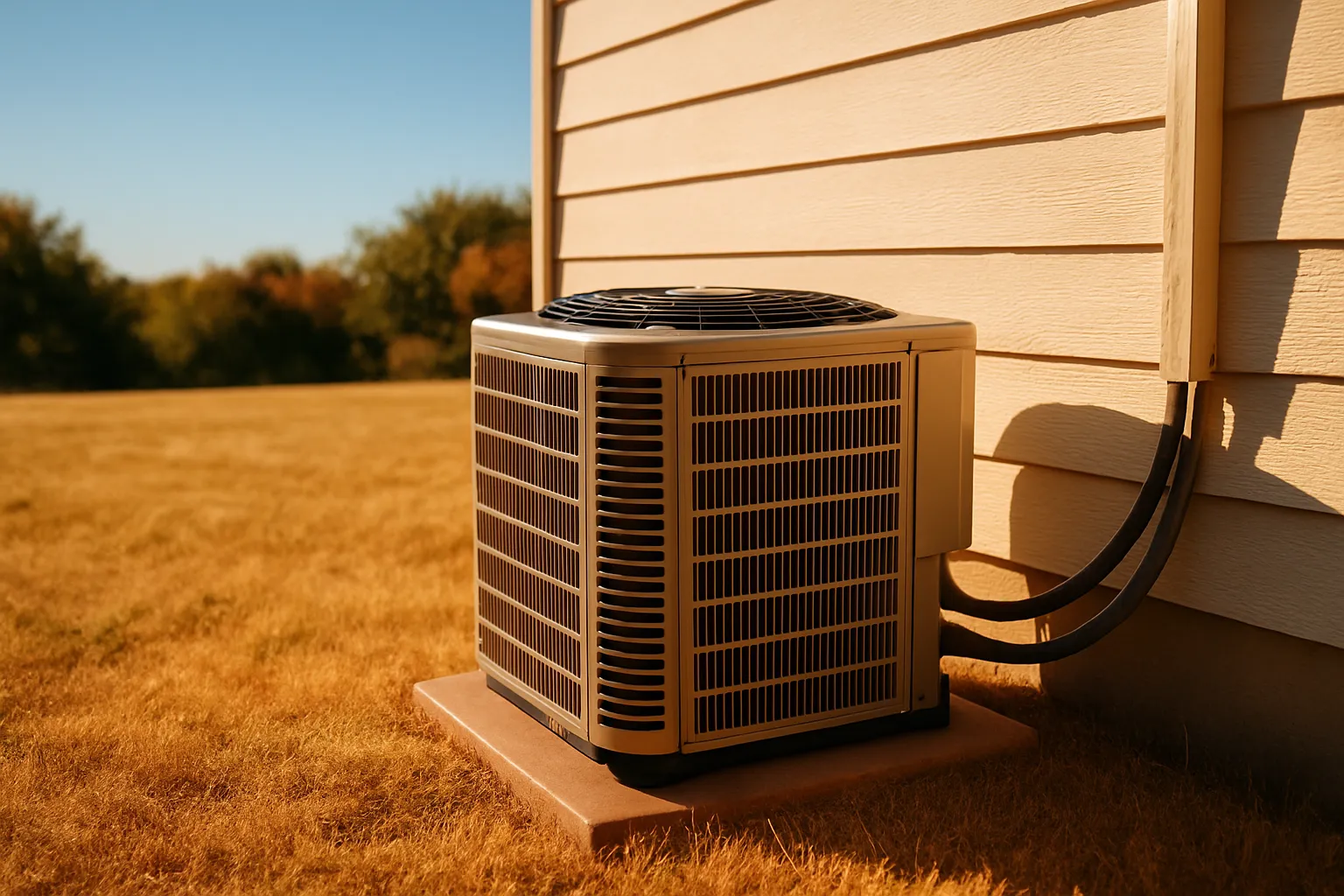
Oklahoma Heat Is Not a Joke
If you've lived in Broken Arrow for more than one summer, you already know what we're talking about. Triple-digit days. Humidity that feels like a wet blanket. Nights that barely cool down before the sun comes back up. Your air conditioner runs almost continuously from June through September, and that kind of workload puts real stress on every component inside the unit.
Most AC problems don't show up out of nowhere. They build slowly, driven exactly by the conditions we get here every year. Knowing what's happening inside your system is the first step toward keeping it running when you need it most.
What Extreme Heat Actually Does to Your System
Your Compressor Works Overtime
The compressor is the heart of your air conditioner. In mild climates it cycles on and off regularly, giving itself time to recover. During a Broken Arrow heat wave, it may run for hours straight. That sustained load generates extra heat inside the unit itself, and over time it wears down the motor windings and electrical contacts. A compressor that's been pushed hard for several summers is a compressor that's getting closer to failure.
Refrigerant Pressure Swings
Refrigerant operates within specific pressure ranges. When outdoor temperatures spike, the system has to work harder to push heat outside, and pressure inside the lines rises. If there's already a small leak or a weak connection anywhere in the line set, that extra pressure is exactly what turns a slow leak into a real problem. Low refrigerant doesn't just hurt cooling efficiency. It makes the compressor work even harder, which compounds the stress.
Air Filters Clog Faster
Summer in Broken Arrow means more dust, more pollen, and more air moving through your system around the clock. A filter that might last two months in the spring can get completely clogged in four or five weeks during peak cooling season. A clogged filter restricts airflow, makes your blower motor strain, and drives up your energy bill. It's one of the simplest things to fix and one of the most commonly ignored.
Capacitors Fail in the Heat
Capacitors are small cylindrical components that help start and run your compressor and fan motors. They're also one of the most heat-sensitive parts in the system. When ambient temperatures outside the unit stay elevated for extended periods, capacitor failure rates climb. A bad run capacitor usually shows up as an AC unit that hums but won't start, or one that shuts off after a few minutes of running.
Warning Signs to Watch for This Season
- Warm or lukewarm air coming from the vents even when the thermostat is set low
- Ice forming on the refrigerant lines outside or around the air handler
- Unusual sounds like grinding, clicking, or banging when the unit cycles on
- Short cycling, meaning the system turns on and off every few minutes instead of running a full cycle
- Noticeably higher electric bills without a change in your usage habits
- Excess humidity indoors even when the AC is running
Any one of these signs is a reason to call for ac repair in Broken Arrow before the problem gets worse. In the middle of July, a failing system doesn't give you much warning before it quits completely.
What You Can Do Right Now
Check your air filter and swap it out if it looks grey or clogged. Clear any grass clippings, leaves, or debris from around the outdoor condenser unit. Make sure your vents inside the house are open and not blocked by furniture. Set your thermostat to a consistent temperature rather than cranking it down on hot days, which forces hard restarts on the system.
Beyond that, the best move is having a qualified HVAC technician take a look before a small issue becomes a full breakdown. Catching a weak capacitor or a slow refrigerant leak during a routine service call is a lot less disruptive than losing your AC on the hottest day of the year.
Precision HVAC Is Here When You Need It
Precision HVAC LLC serves Broken Arrow and the surrounding area with honest, straightforward HVAC repair and maintenance. If your system is showing any of the signs above, or if it just hasn't been serviced in a while, give us a call or request a quote online. We'll take a look, tell you exactly what we find, and get your home comfortable again.